Start Learning
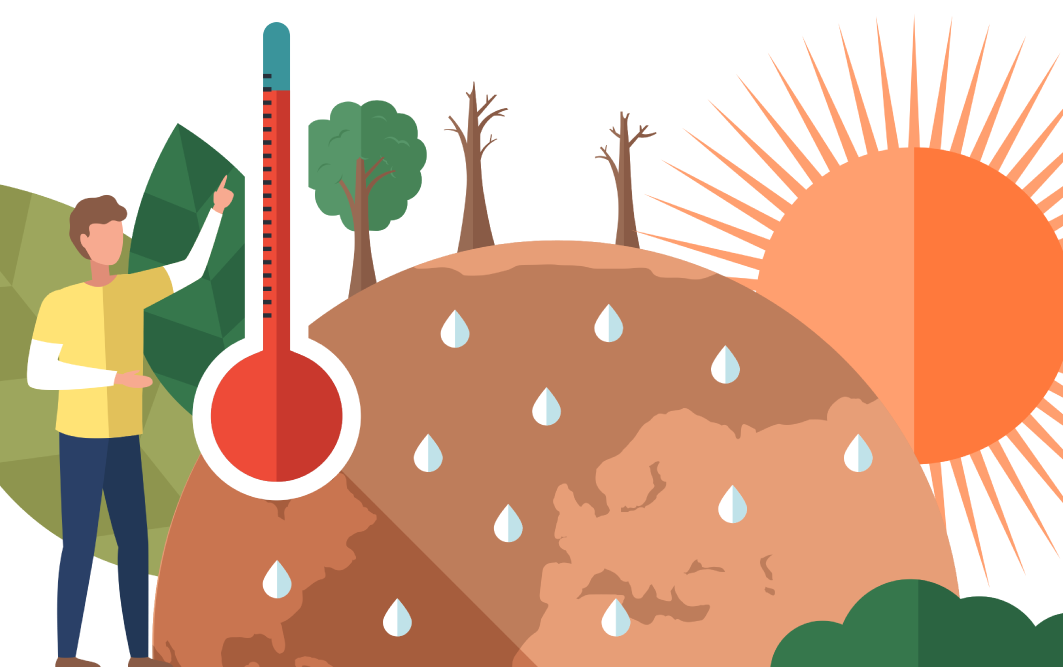
Weather means the conditions that are happening outside right now in a certain location. Is it raining? Is it sunny? Is it snowing? These are all weather events!
Climate is the pattern in the weather over time. Scientists look at 30 years or more of weather data to determine the climate of a particular region. For example, it’s common to say that northern Canada has a colder climate.
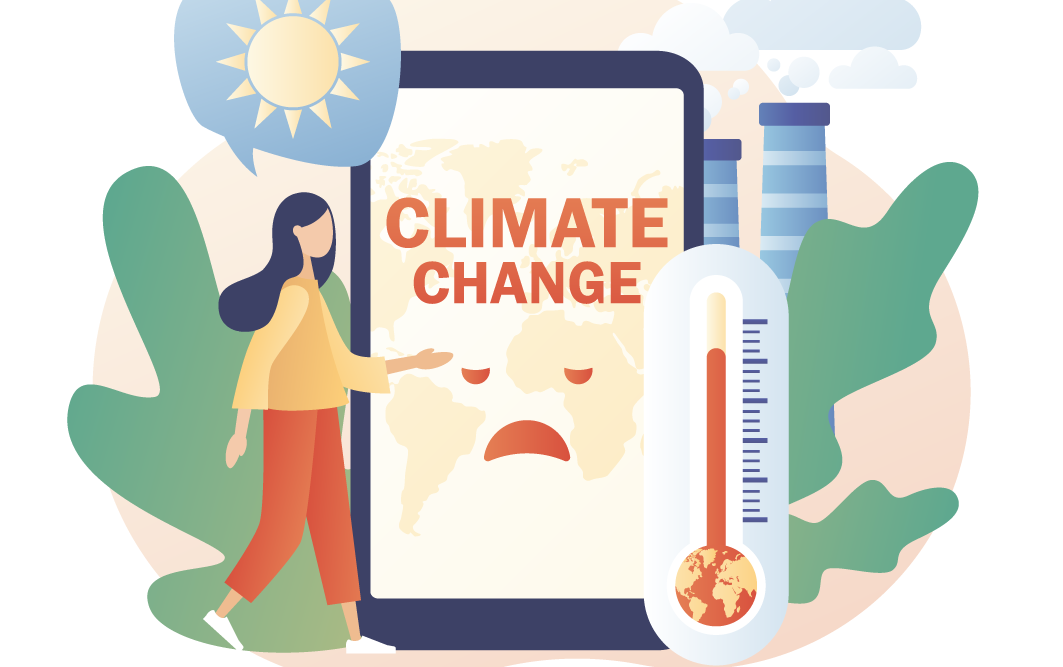
Climate change means the changes that we see in Earth’s average weather patterns, like temperature and rainfall, that happen over a long period of time.
Scientists that study climate change have noticed that Earth’s surface temperature has been warming. This isn’t an unusual thing – the Earth has always gone through periods of warming or cooling (like the ice ages) - but what is unusual is how fast the Earth has been warming in the past few decades!
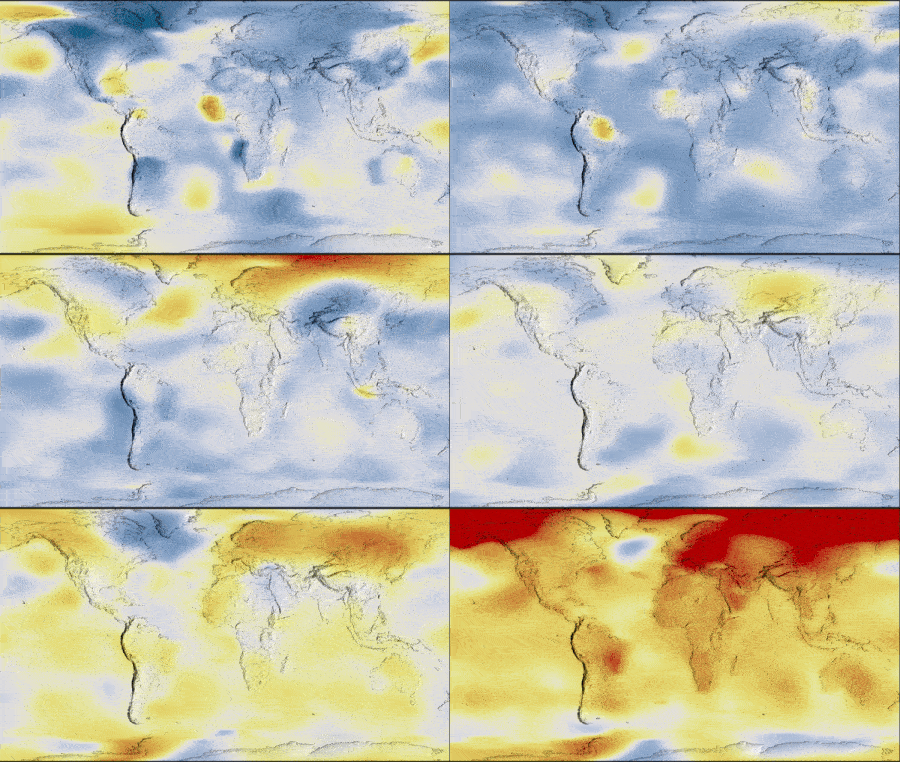
And just how much has the Earth been warming? Since the beginning of the Industrial Revolution over 200 years ago, when the world first started to burn fossil fuels, like coal, oil, and gas, the world has warmed about 1°C.
Scientists around the world have agreed that if the Earth were to warm by 1.5°C, the impacts of climate change would be really difficult for the planet to deal with.
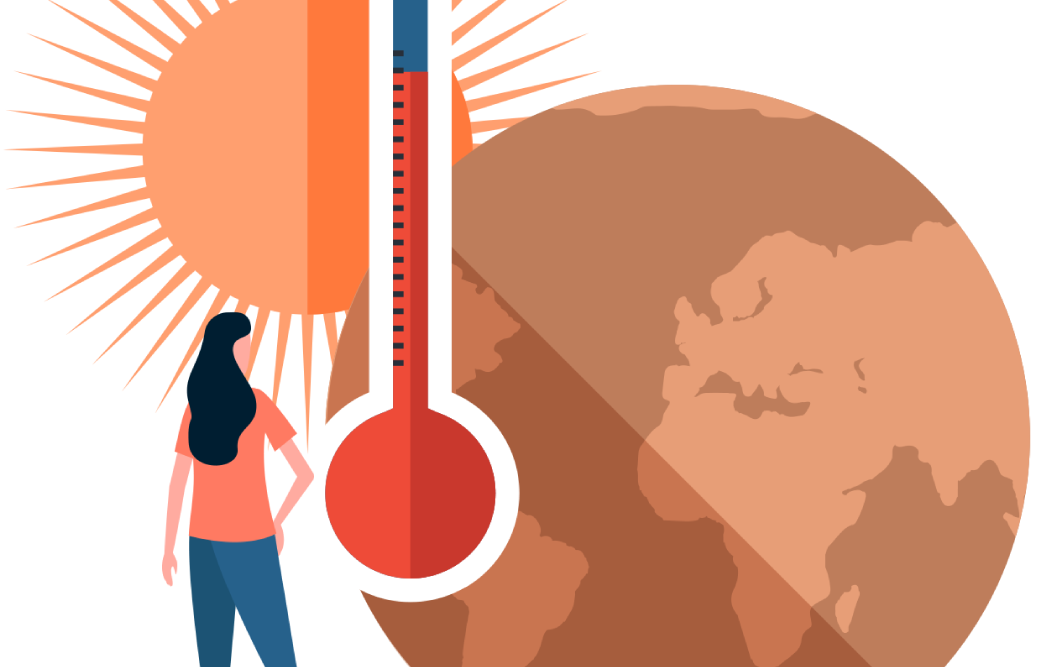
Climate change will not only have a big impact on humans but will affect everything on Earth too. Explore how a changing climate will affect some of the topics below:
Human Health
Climate change will have a big impact on the health of Canadians. Extreme and longer heat waves will lead to increased risks of heat stroke and exhaustion. Smoke from wildfires and smog from emissions will decrease air quality. Warmer temperatures will also increase the spread of some infectious diseases. Climate events can cause many mental health challenges too, like climate anxiety and depression.
Agriculture
Agriculture and farming depend on the weather and the climate. Crops need just the right amount of sunlight and just the right amount of rainfall to grow; too much or too little can put farms at risk. Extreme weather events like heat waves and droughts can cause crop failure.
Cities
Cities are very dense areas, with lots of people and buildings compacted into one space. This is why cities can feel much warmer than in the nearby countryside. Higher temperatures and more intense heat waves will make dense cities feel like urban heat islands. With climate change, we will have to rethink how we design and build our cities.
Forests
Almost half of Canada is covered by forests! Forests are so important to the Earth because they help keep the air clean and provide habitats for plants and animals. But forests are very vulnerable to climate change. Forests are affected by wildfires, droughts, invasive pests, deforestation, and the disregard for traditional Indigenous knowledge.
Oceans
As the Earth gets warmer, the oceans absorb some of the extra heat and carbon dioxide (CO2) from the air. Warming oceans with too much CO2 are very dangerous for the plants and animals that live there, like coral reefs. Warmer temperatures will also melt glaciers and ice sheets, causing sea levels to rise.
Wildlife
With a changing climate, lots of wildlife in Canada will face habitat destruction, changes in species range, changes in food availability, a decrease in water sources, and an increase in pests and diseases.
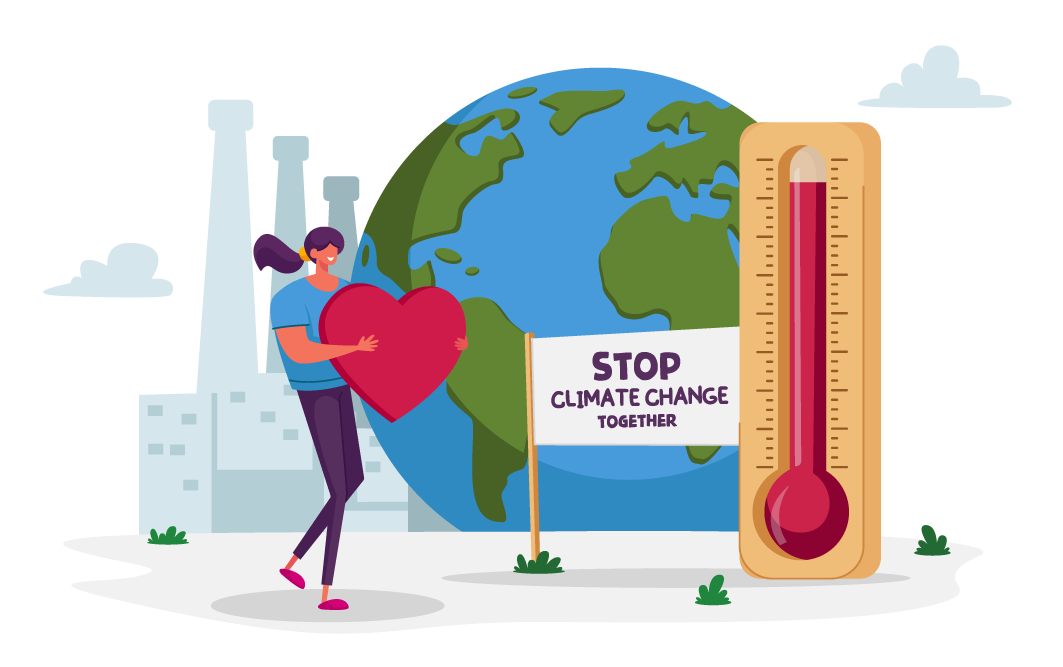
Canada is working towards some big climate goals. Canada has committed to reach net-zero greenhouse gas emissions by 2050. Check out some of the targets they set to achieve this goal:
2 billion trees by 2030
Canada will plant 2 billion trees across the country over the next 10 years! The 2 billion trees will help to capture carbon from the atmosphere, increase biodiversity, and improve health and well-being. Learn more about the 2 billion trees commitment (Government of Canada).
Emissions Reduction Plan
Canada aims to reduce emissions to about 40 percent below the 2005 levels by 2030. Learn more about the emissions reduction plan (Government of Canada).
Resources
Indigenous Knowledge
Indigenous Climate Hub - Home - Indigenous Climate Hub
Indigenous Climate Action - Indigenous Climate Network (indigenousclimateaction.com)
Climate Atlas of Canada - Indigenous Knowledges | Climate Atlas of Canada
Native Land - Native-Land.ca | Our home on native land
For Youth
NASA - Climate Kids
Climate Kids Games - Play and explore – Climate Kids
En-ROADS - En-ROADS (climateinteractive.org) and C-ROADS C-ROADS (climateinteractive.org)
TakingITGlobal - Welcome to TakingITGlobal! (tigweb.org)
Action for the Climate Emergency - Action for the Climate Emergency - Climate Change is Our Generation's Biggest Challenge (acespace.org)
ISeeChange - ISeeChange | Community Climate & Weather Journal
Ocean Wise – Waves of Change - Waves of Change - Ocean Wise
For Teachers
National Geographic Education – Resource Library (Climatology)
Resources for Rethinking - Results | Sustainability Classroom Resources at Resources for Rethinking (resources4rethinking.ca)
Learning for a Sustainable Future - Empowering Learners in a Warming World – A Climate Change Inquiry Guide for Secondary Educators (climatelearning.ca)
GreenLearning - Environmental Education for Youth | GreenLearning
Climate Central - Climate Central
Our Canada Project - Our Canada Project – Our Canada Project – Projet Notre Canada
For Parents
Make It Better – Let's Talk: A Kit for Communicating with Children About Climate Change
Make It Better - Climate Inequities - OPHA (makeitbetterontario.ca)
Our Climate Quest: Small Steps to Big Change is a production of Science North, Sudbury, Ontario, Canada
Supported by: